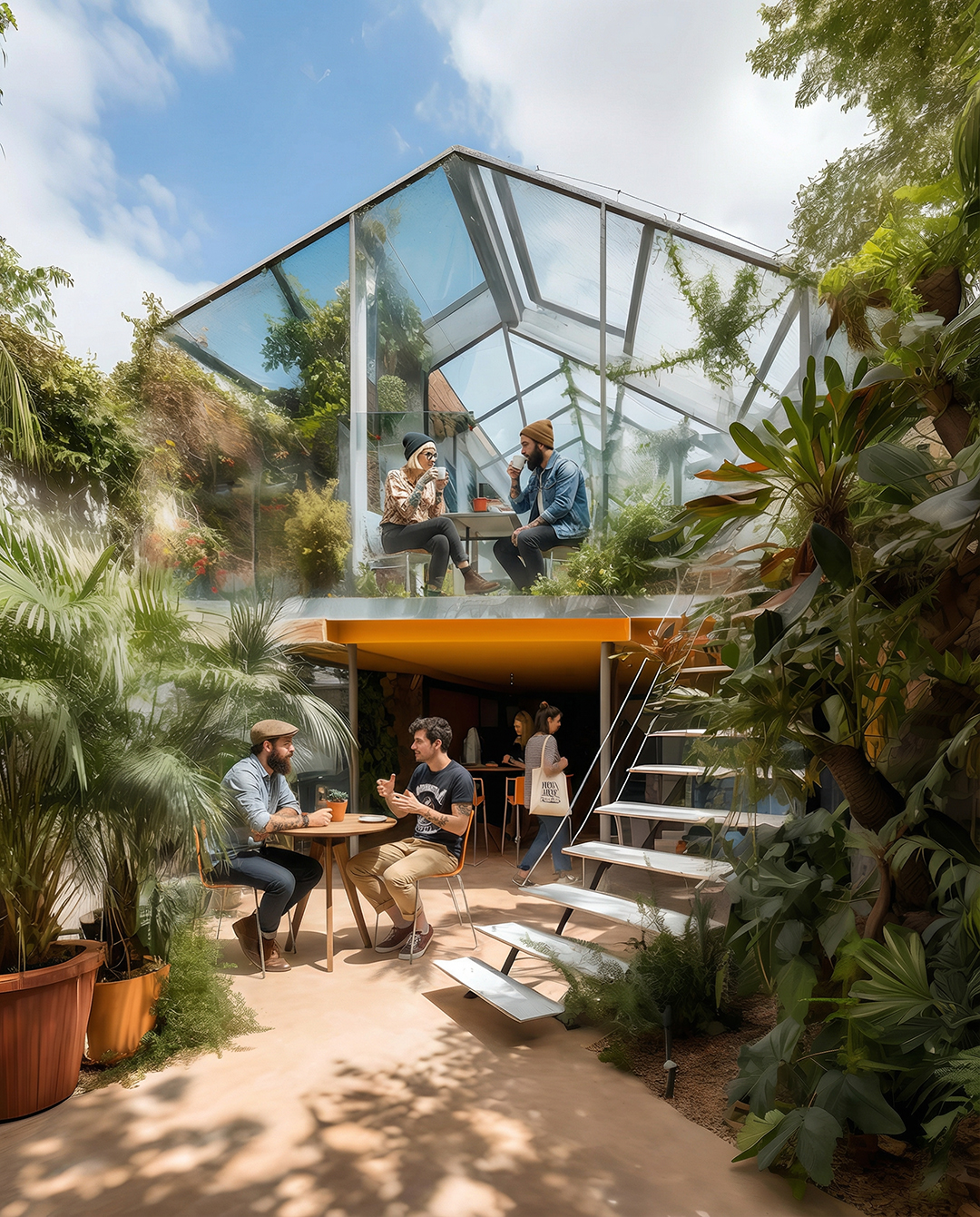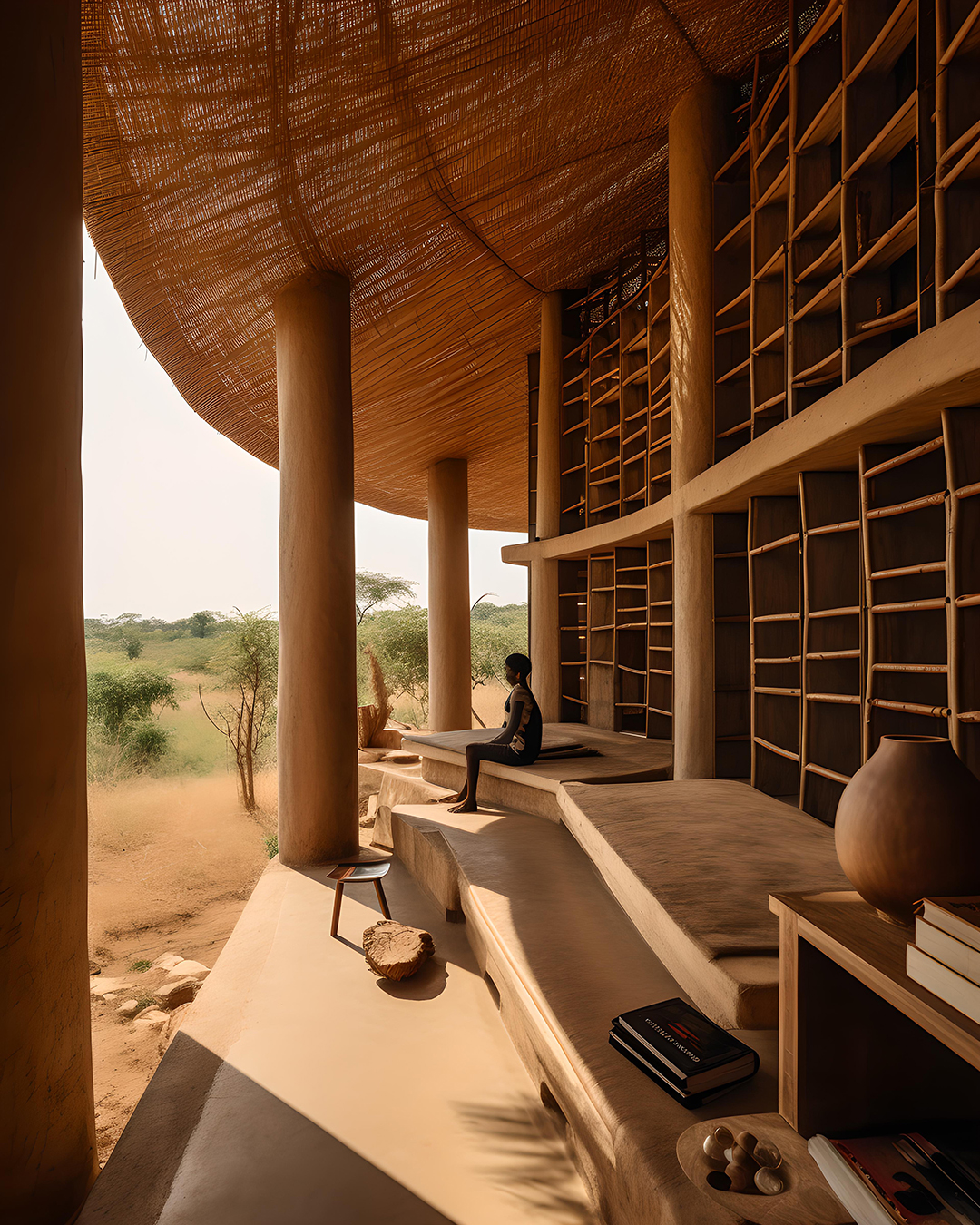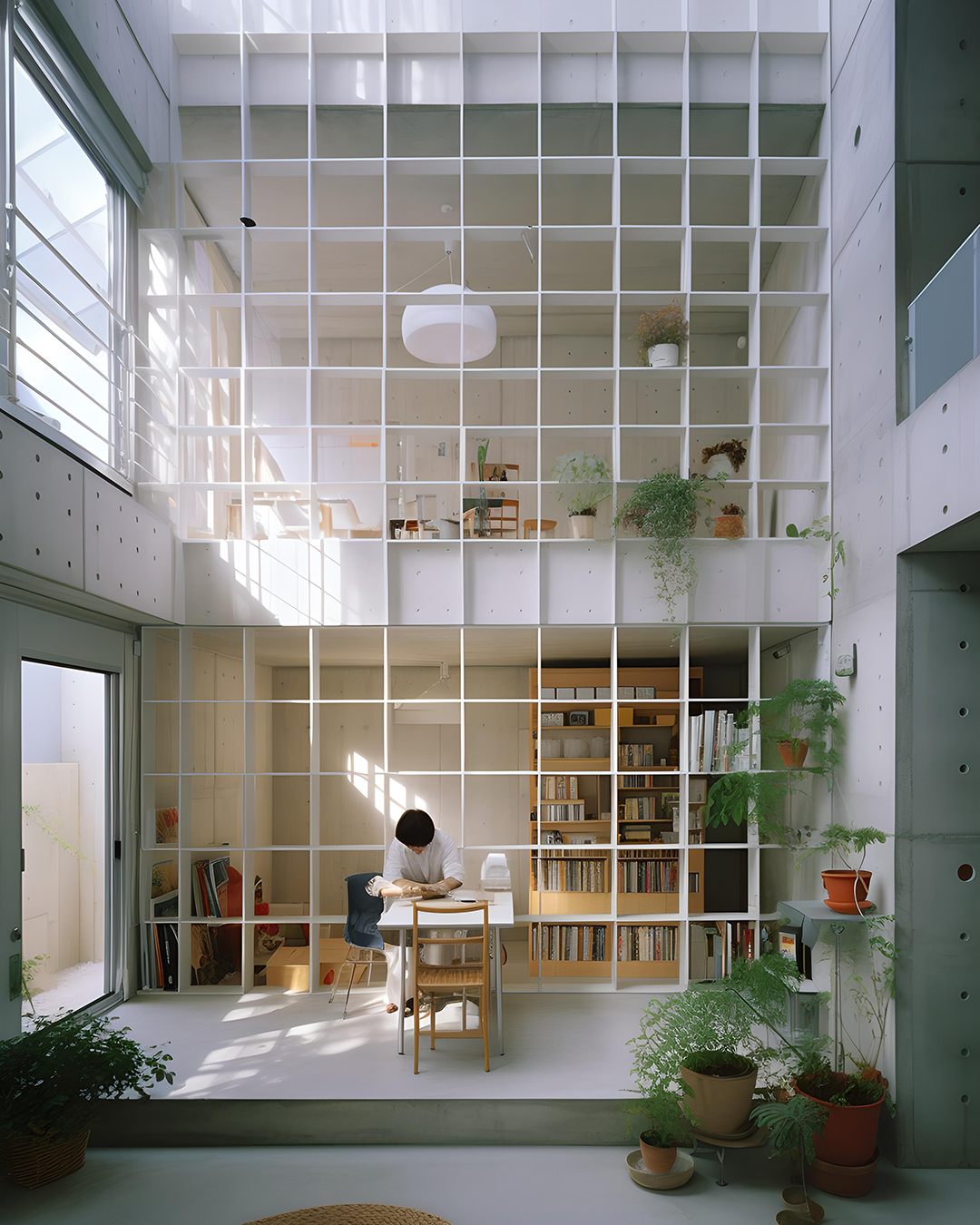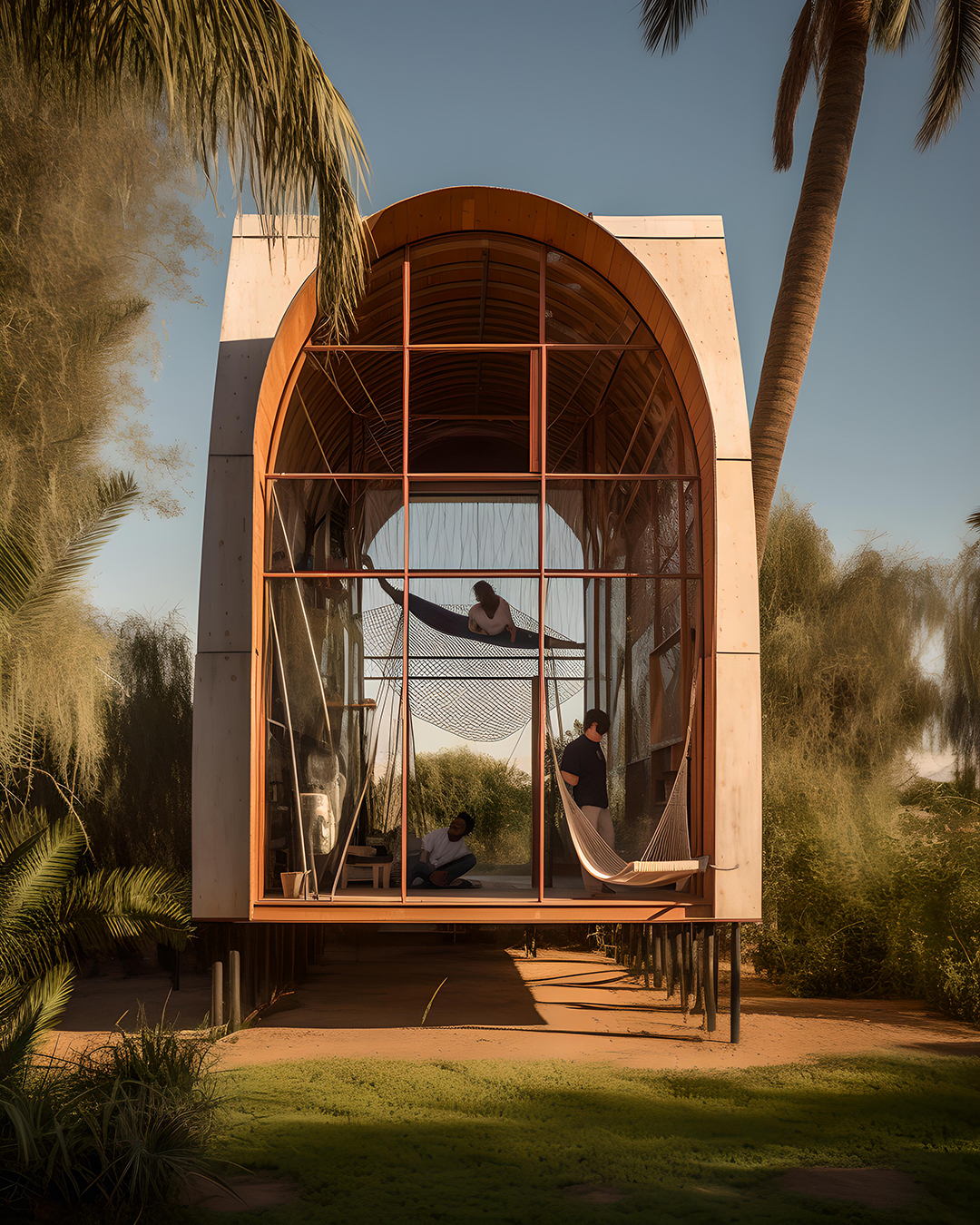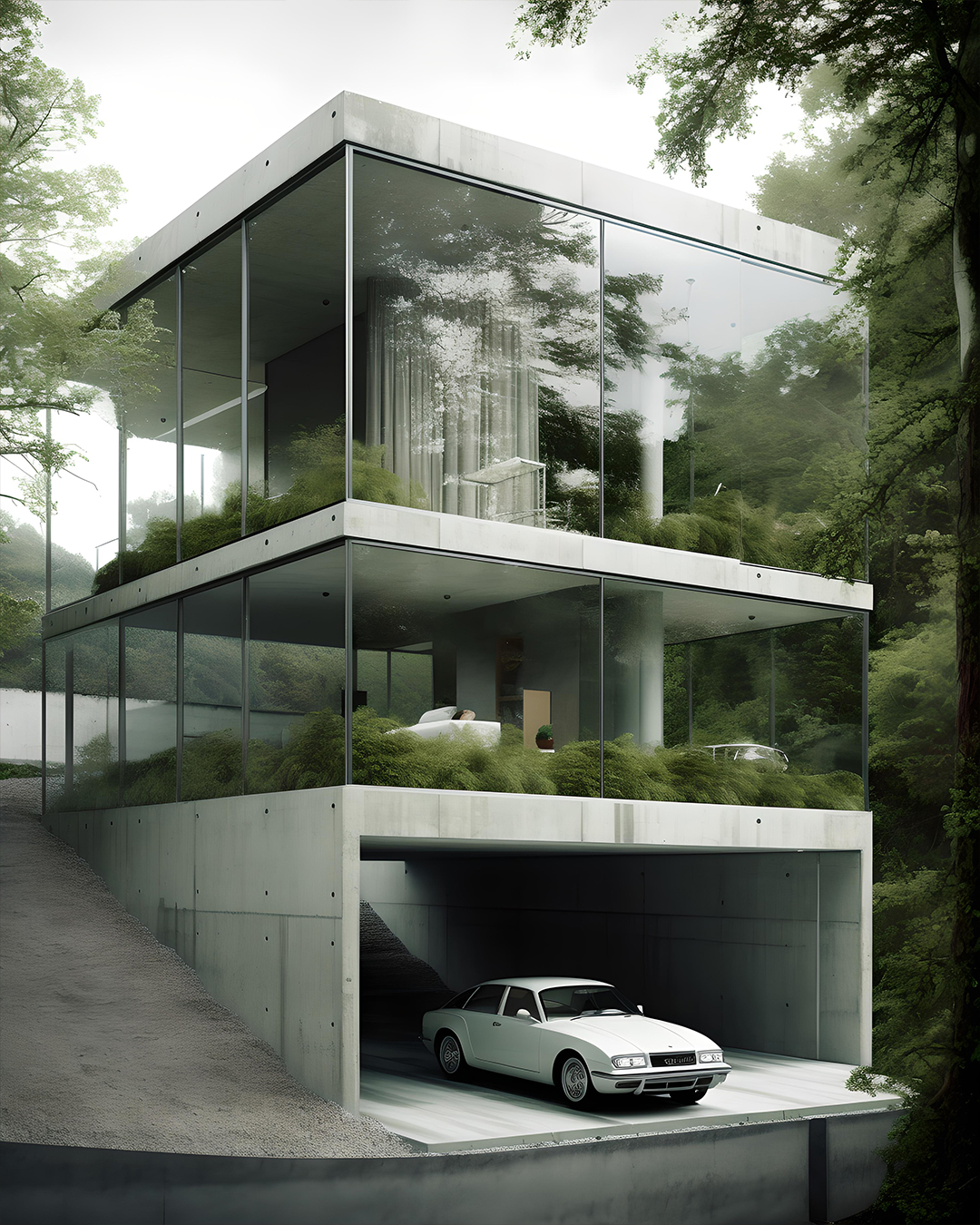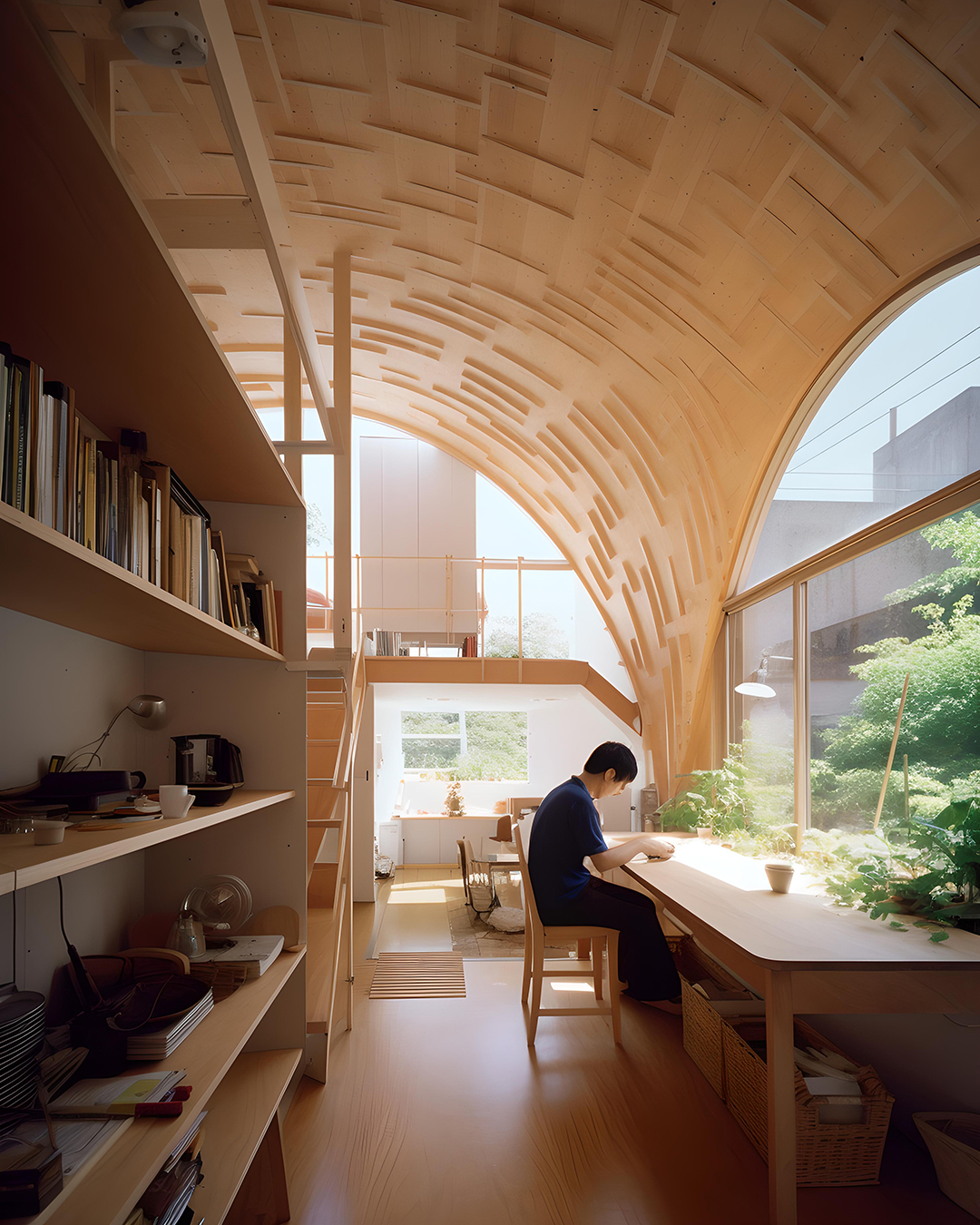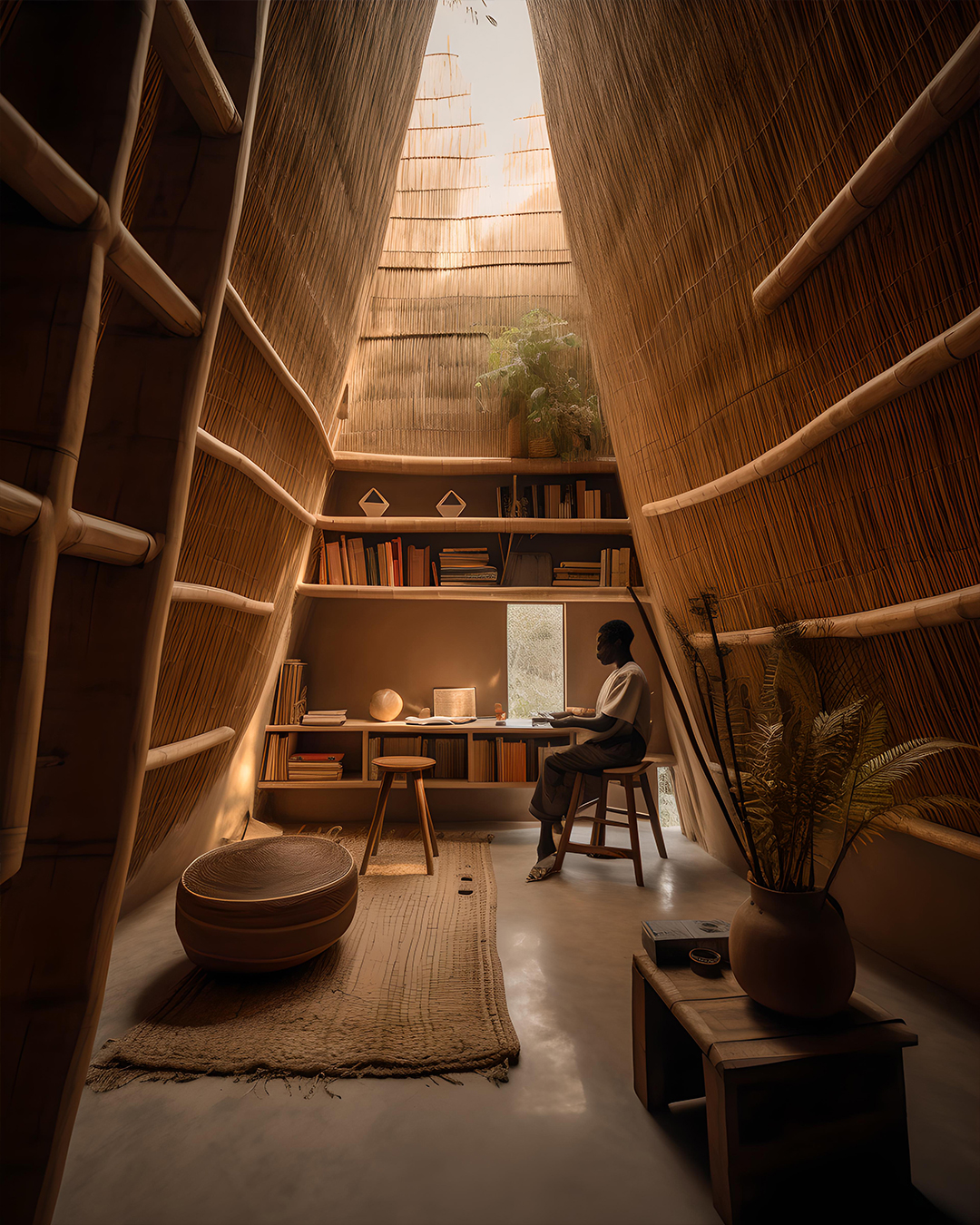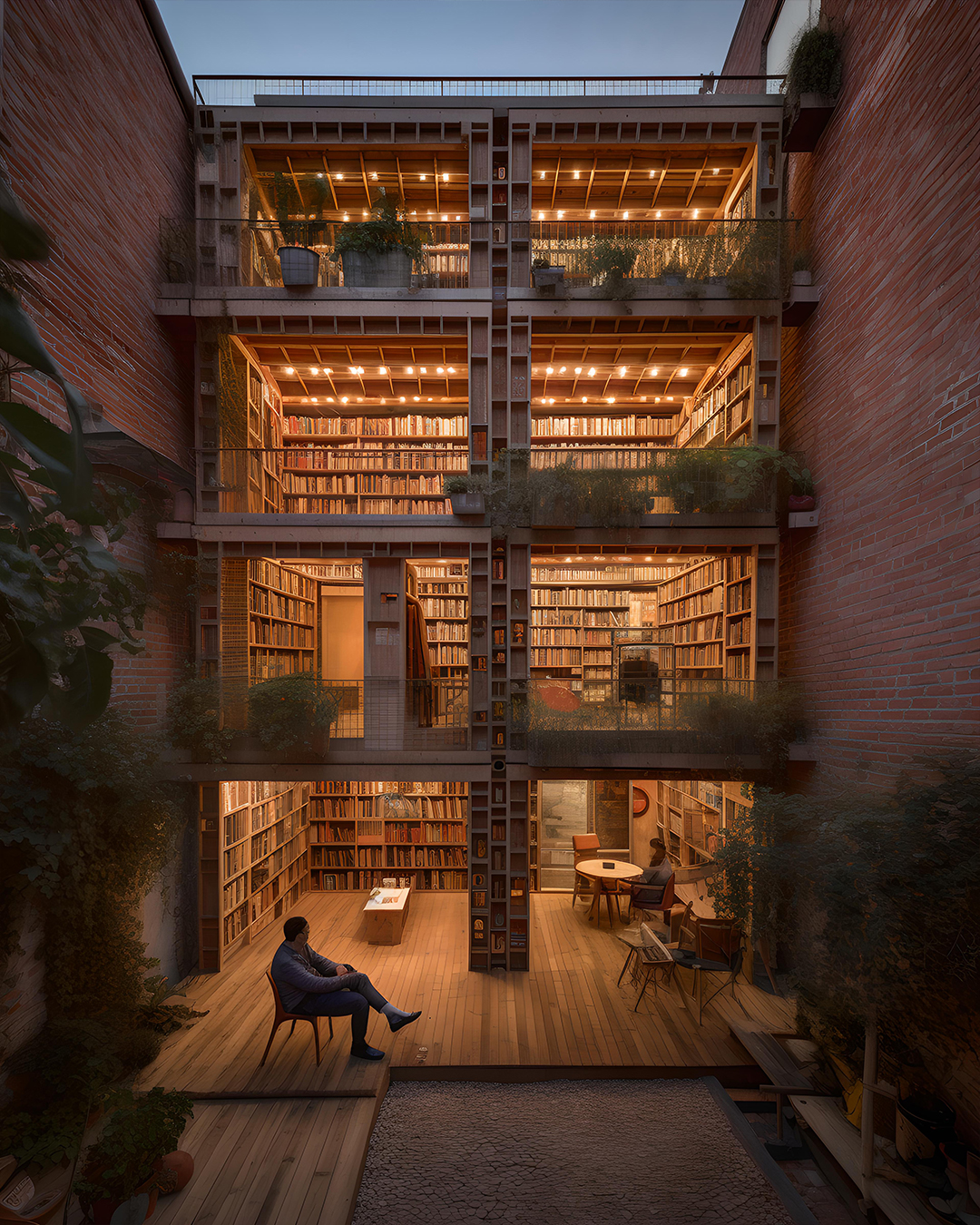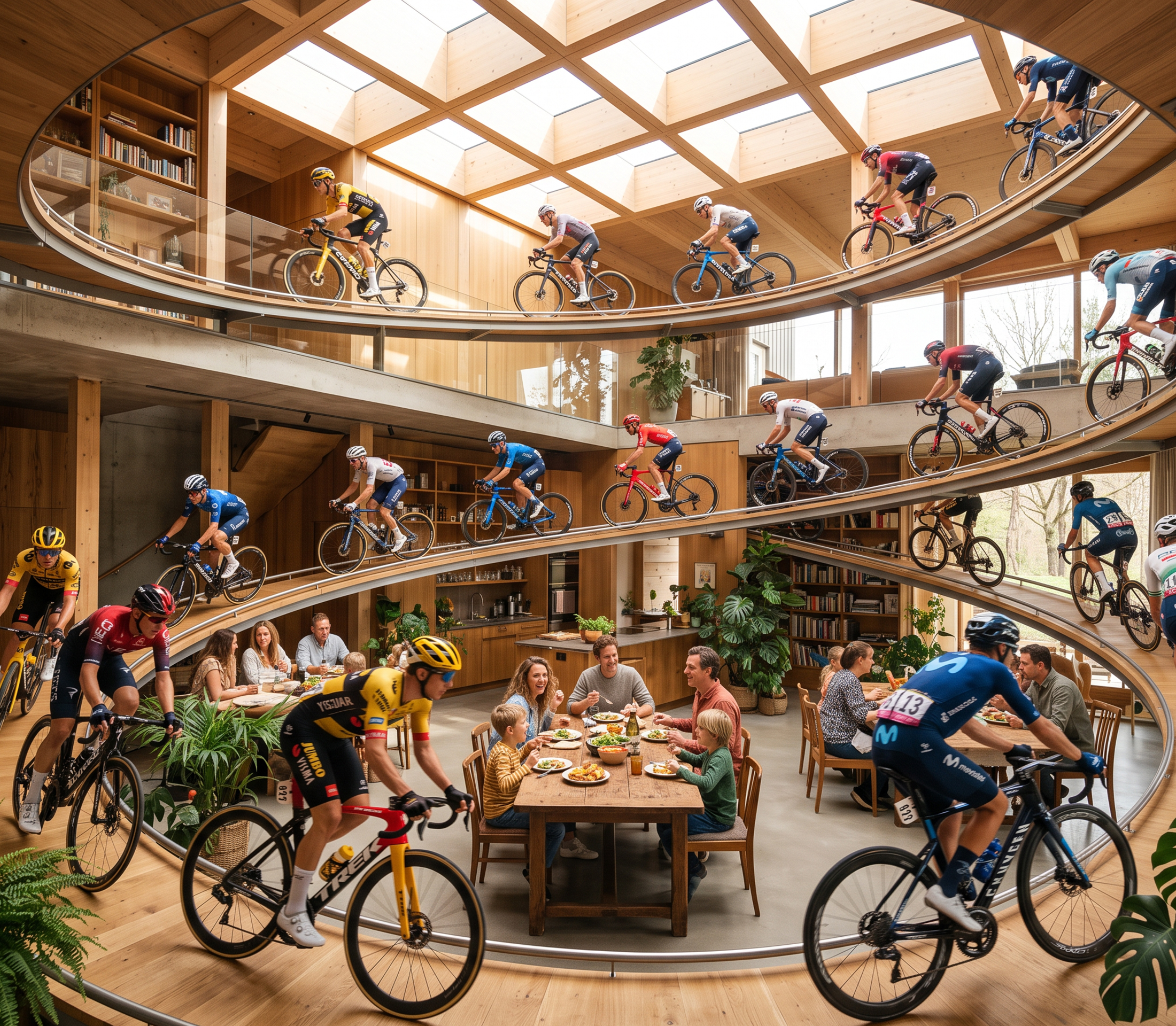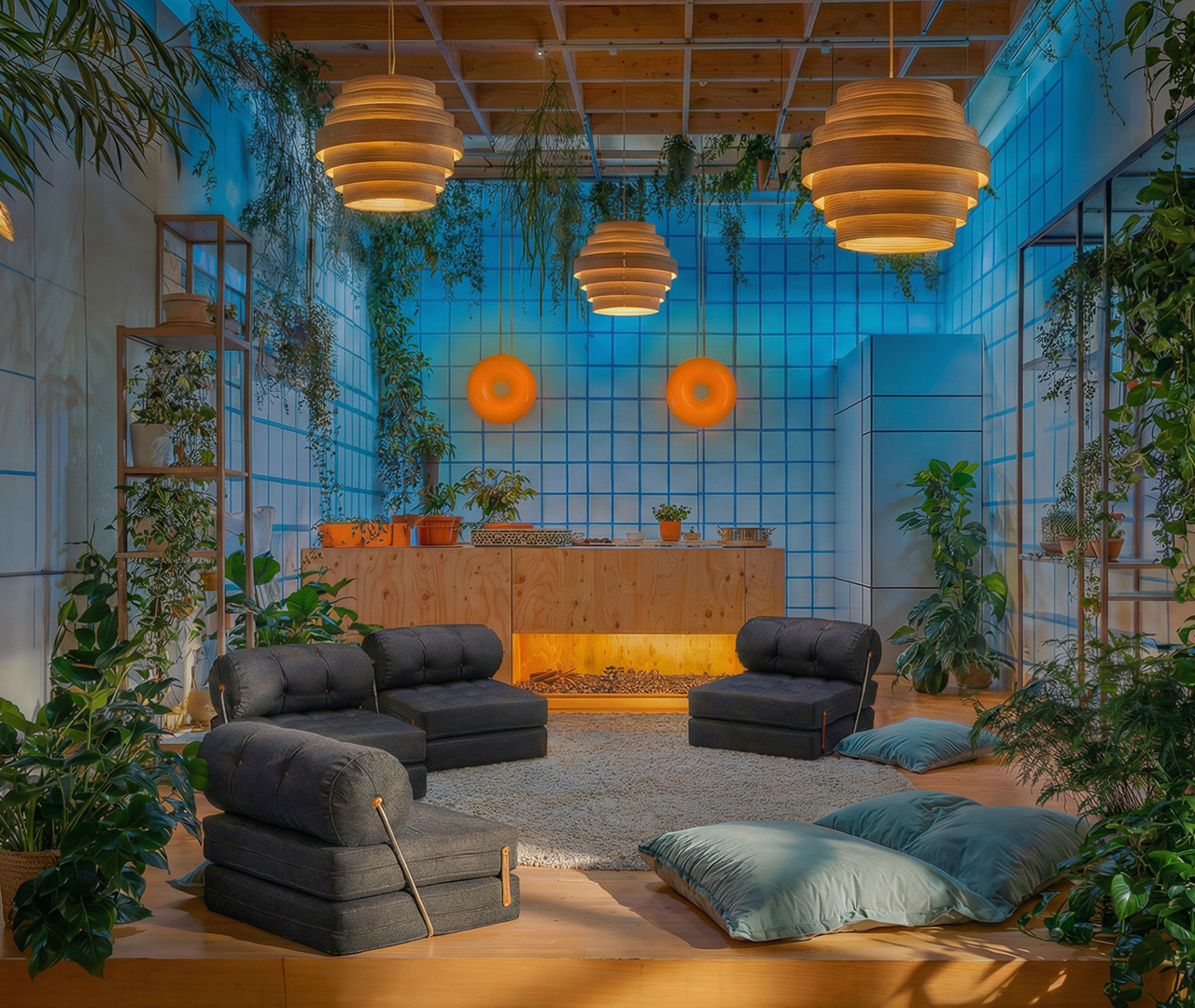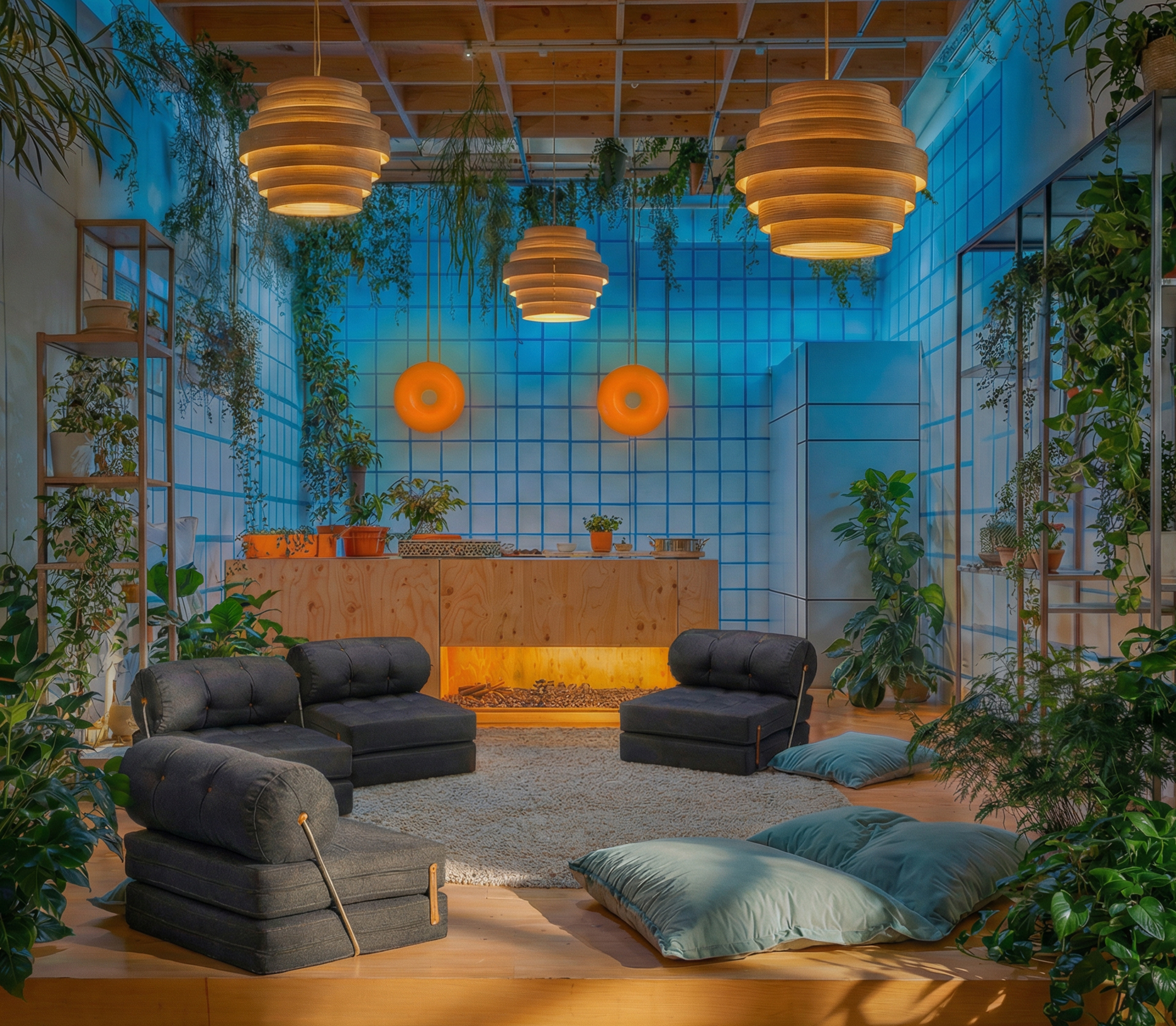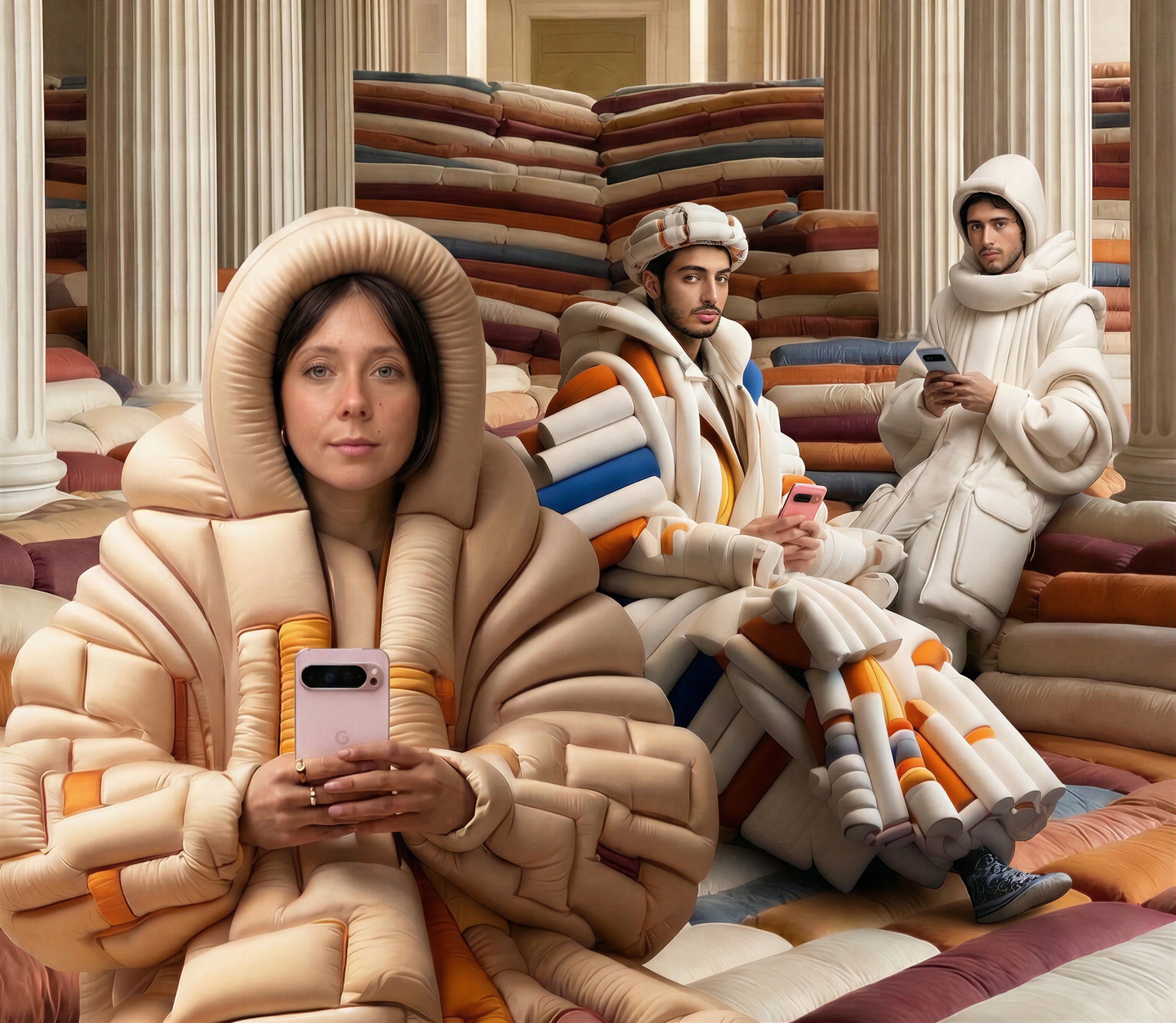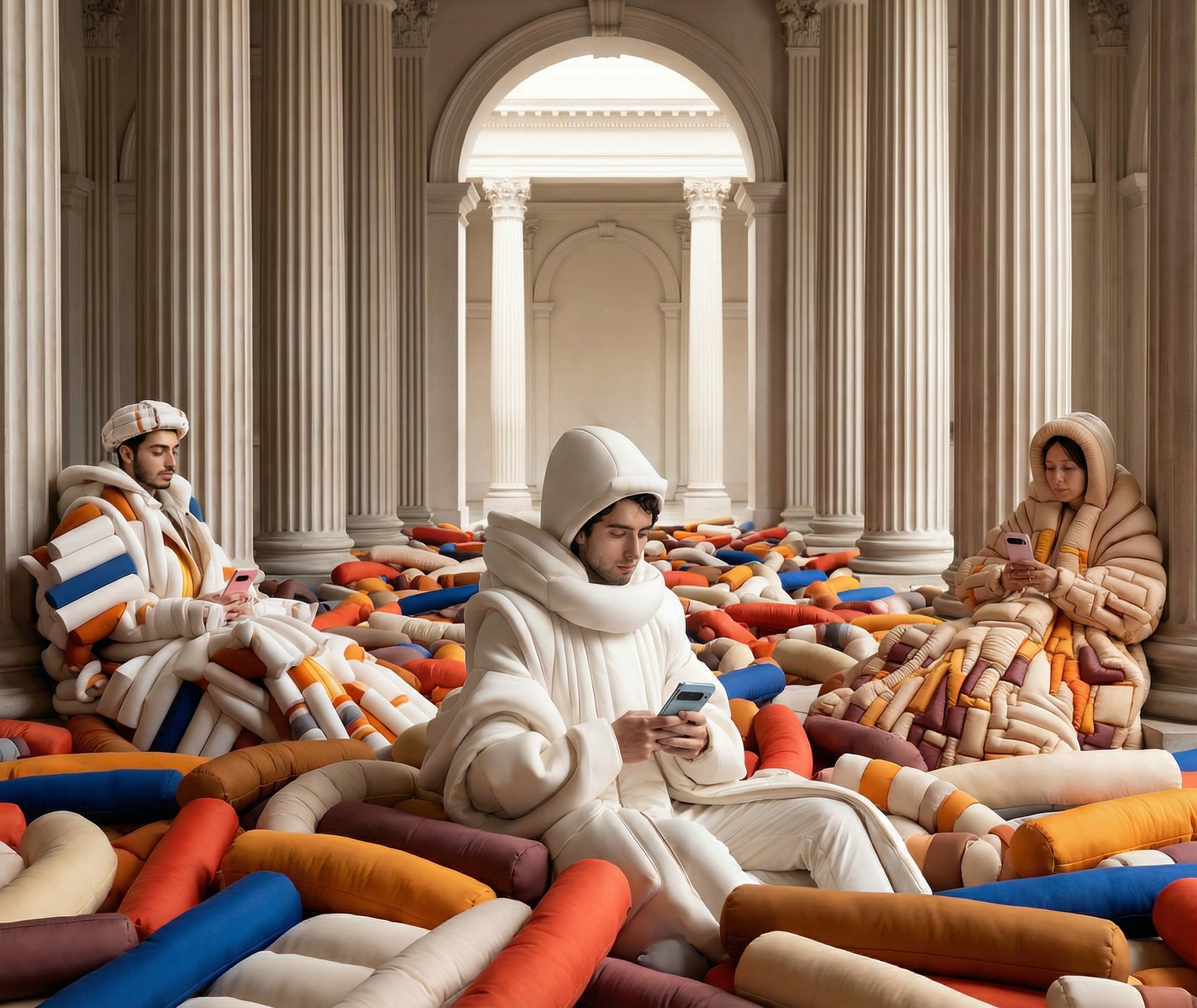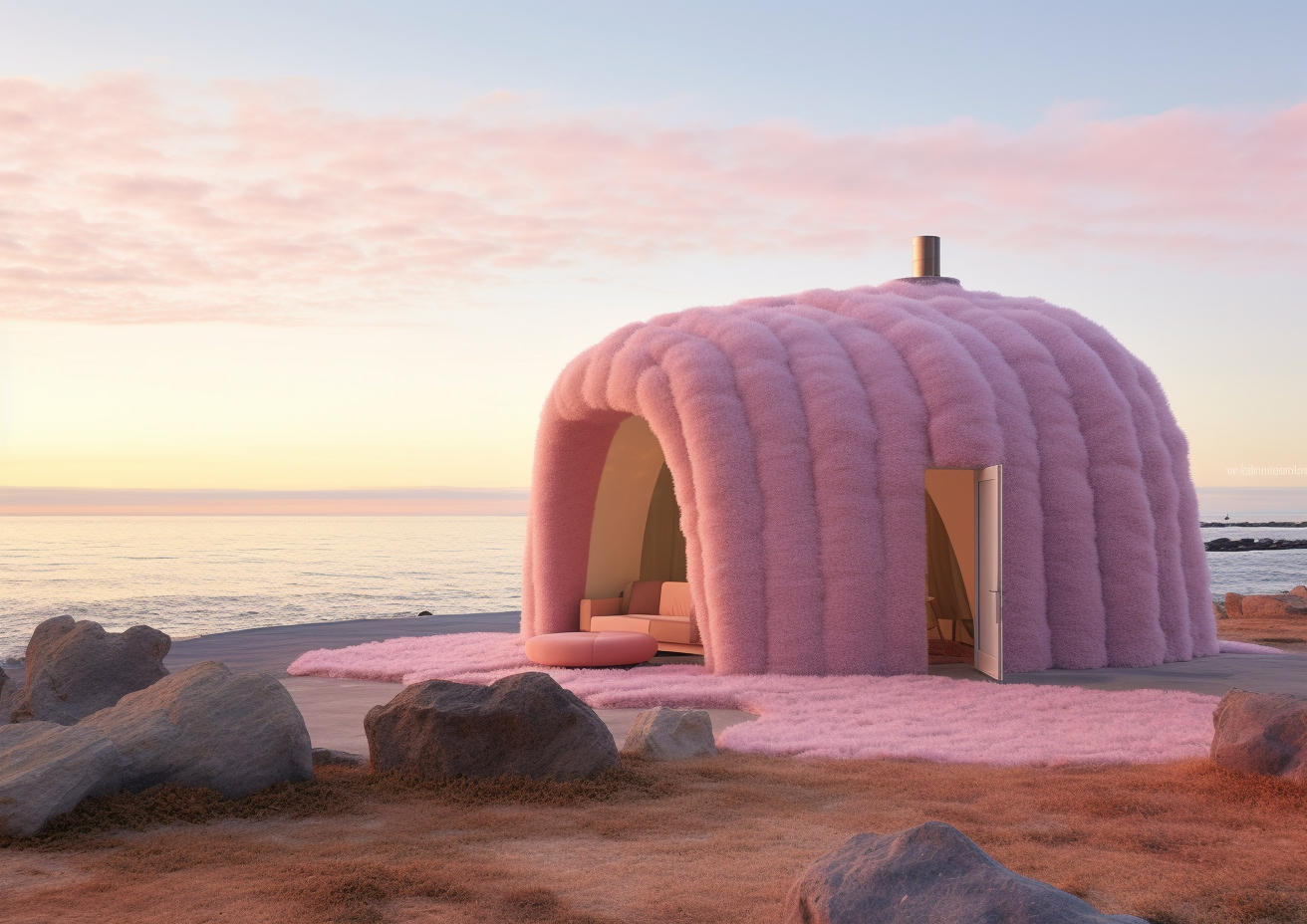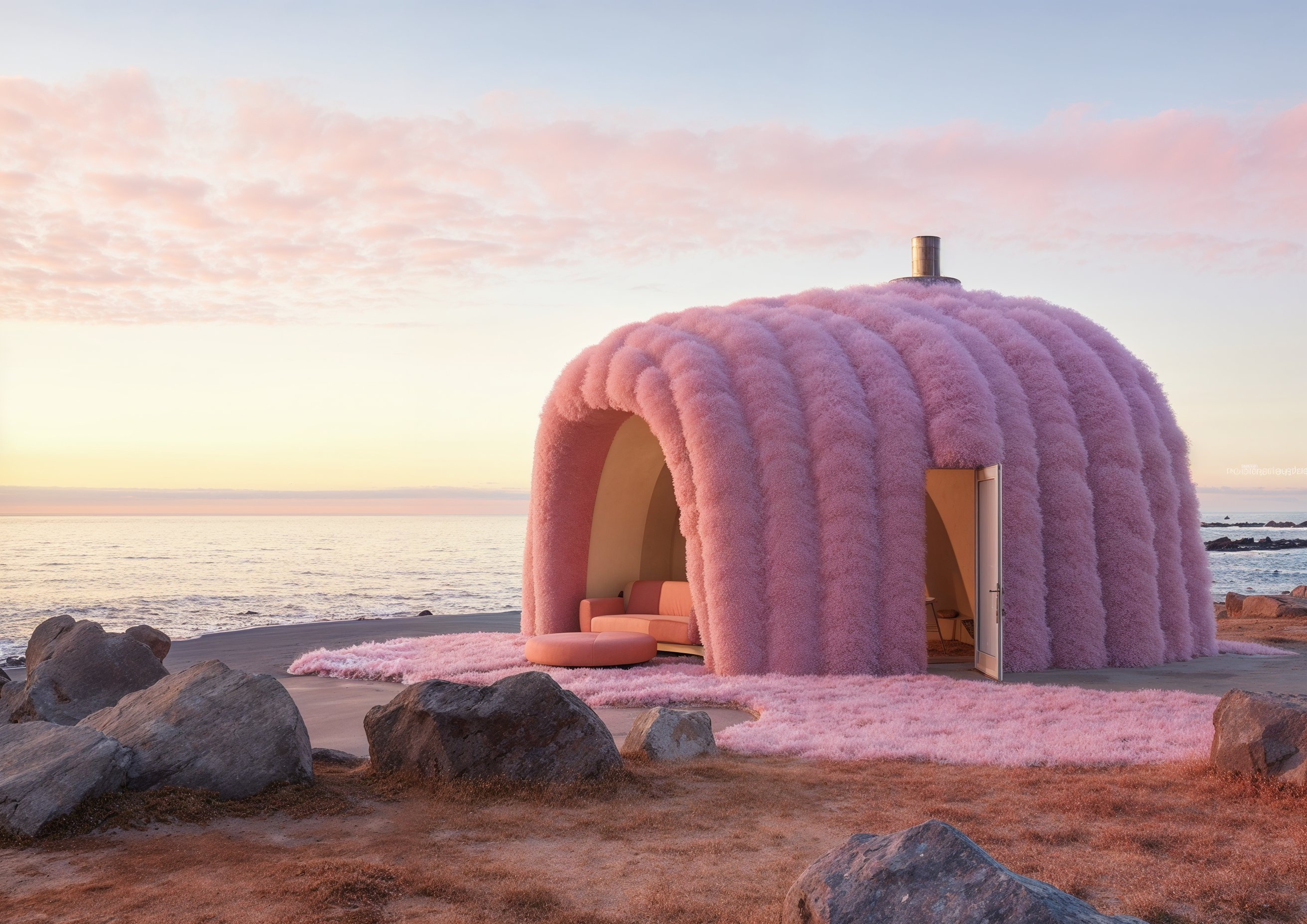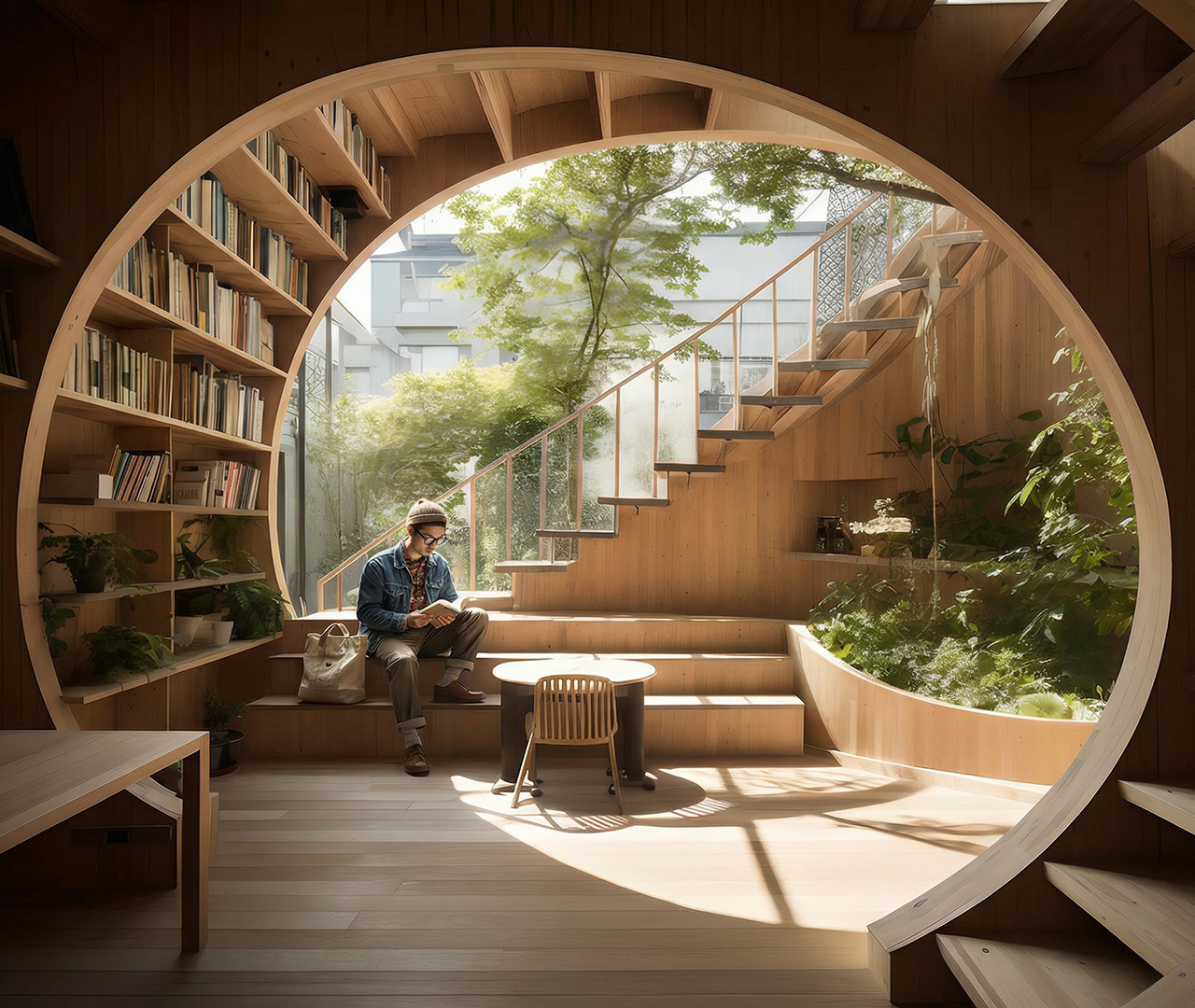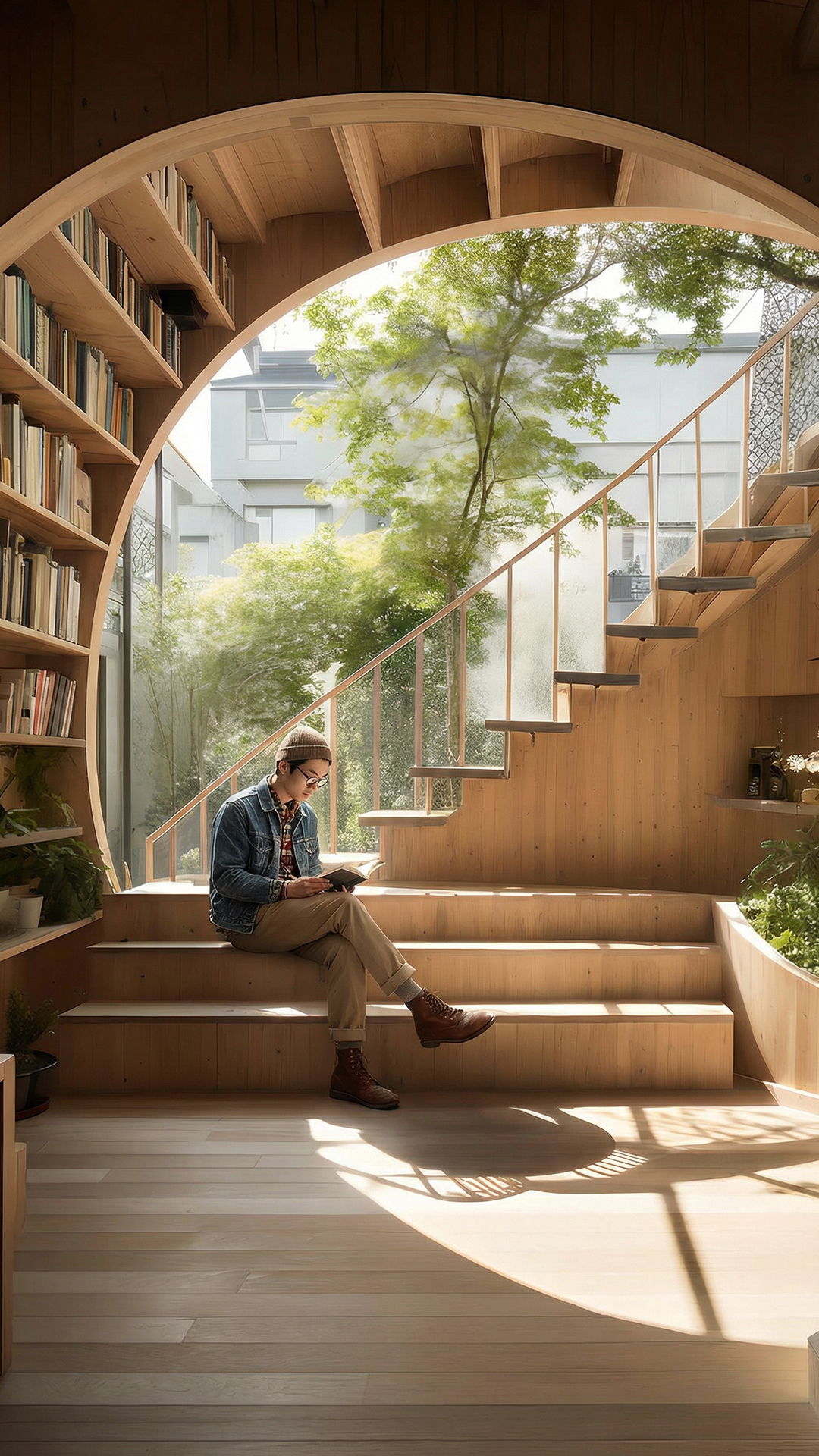

In search of new perspectives, we collaborated with ArchDaily to investigate how artificial intelligence perceives the contemporary home across 15 different countries.
Positioned between reality and speculation, the images generated through this process invite reflection on architectural practice, visual culture, and the power - and limitations - of emerging technologies.
SI lees esto es que el campo de texto principal no está utilizado
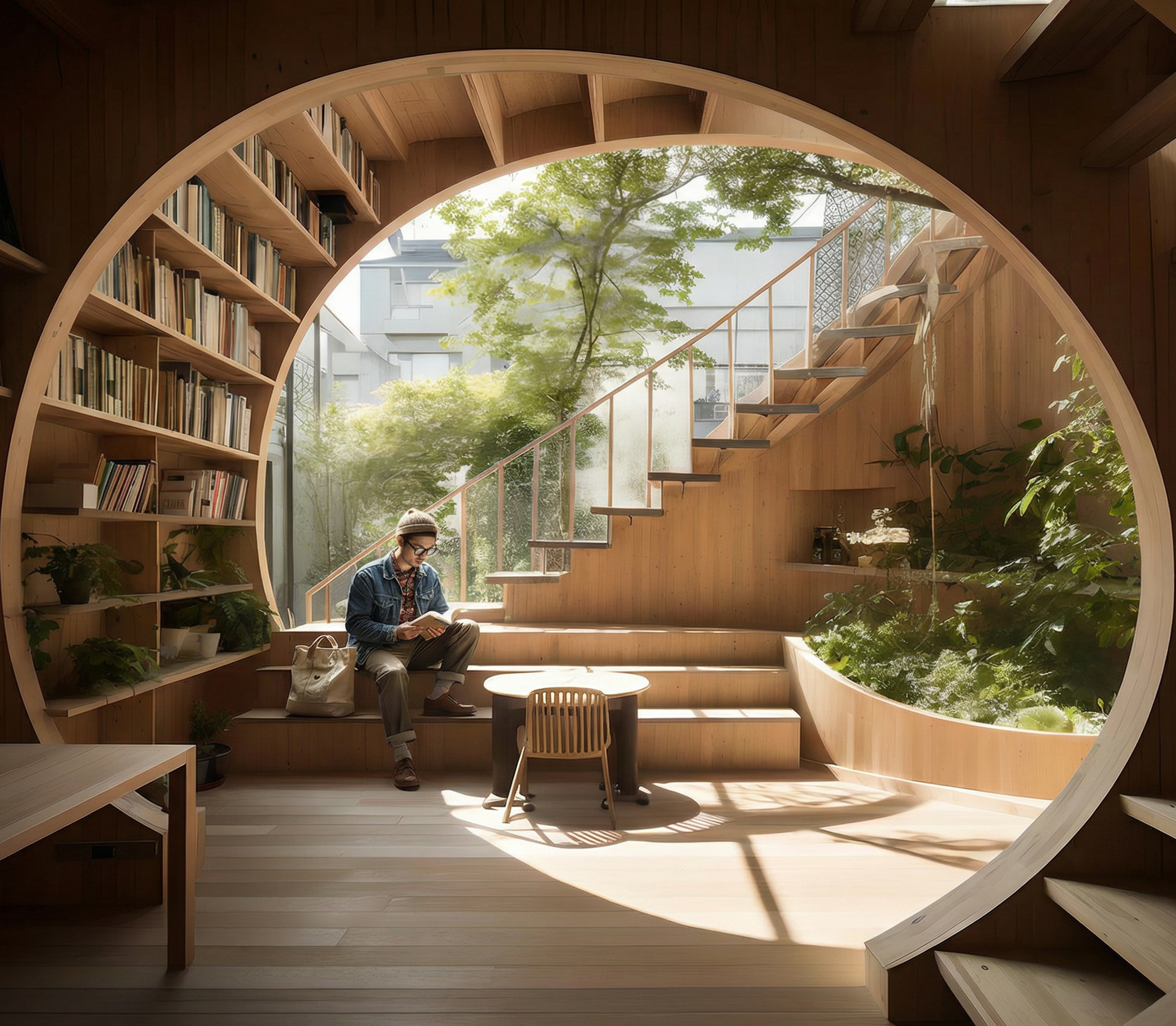

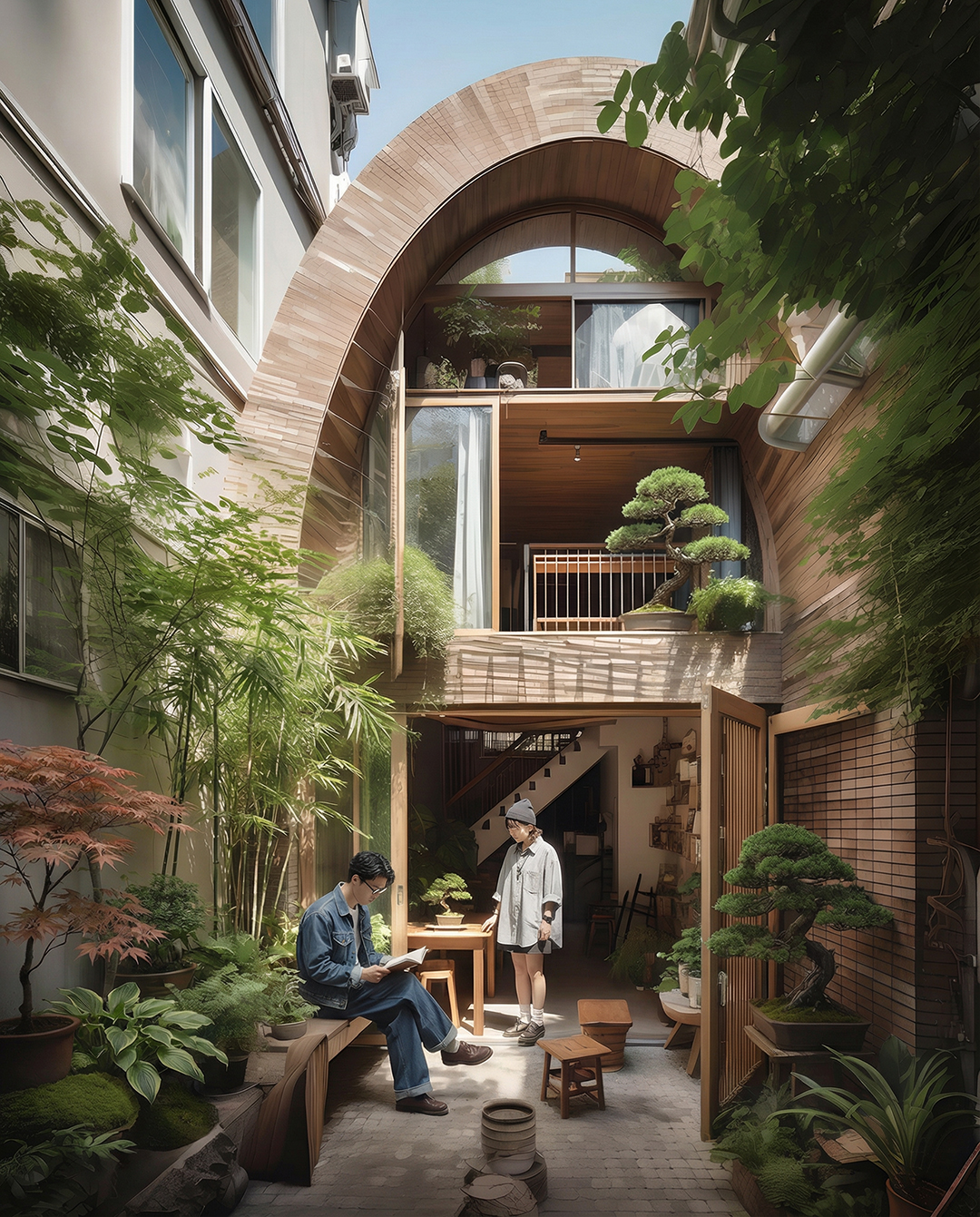
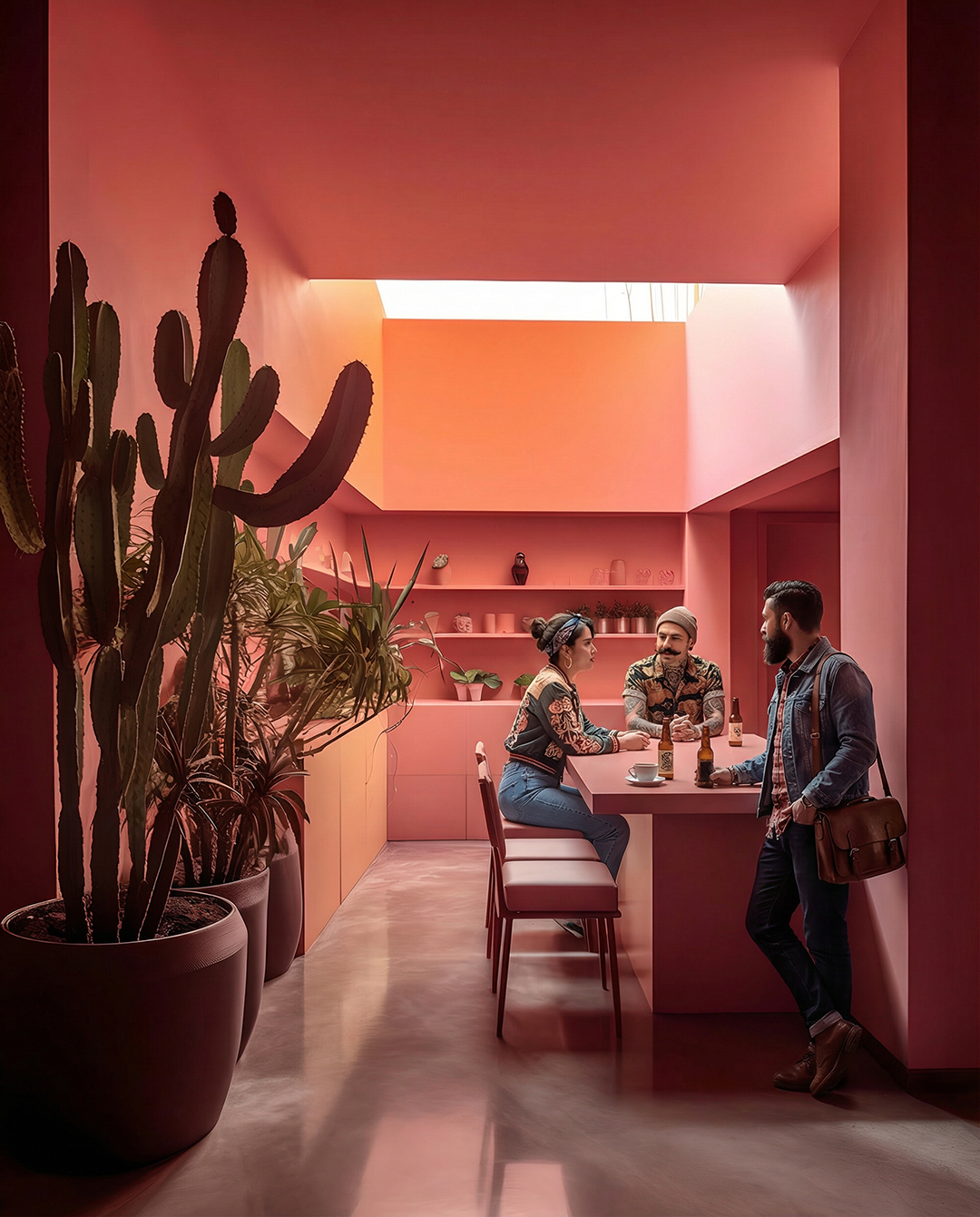
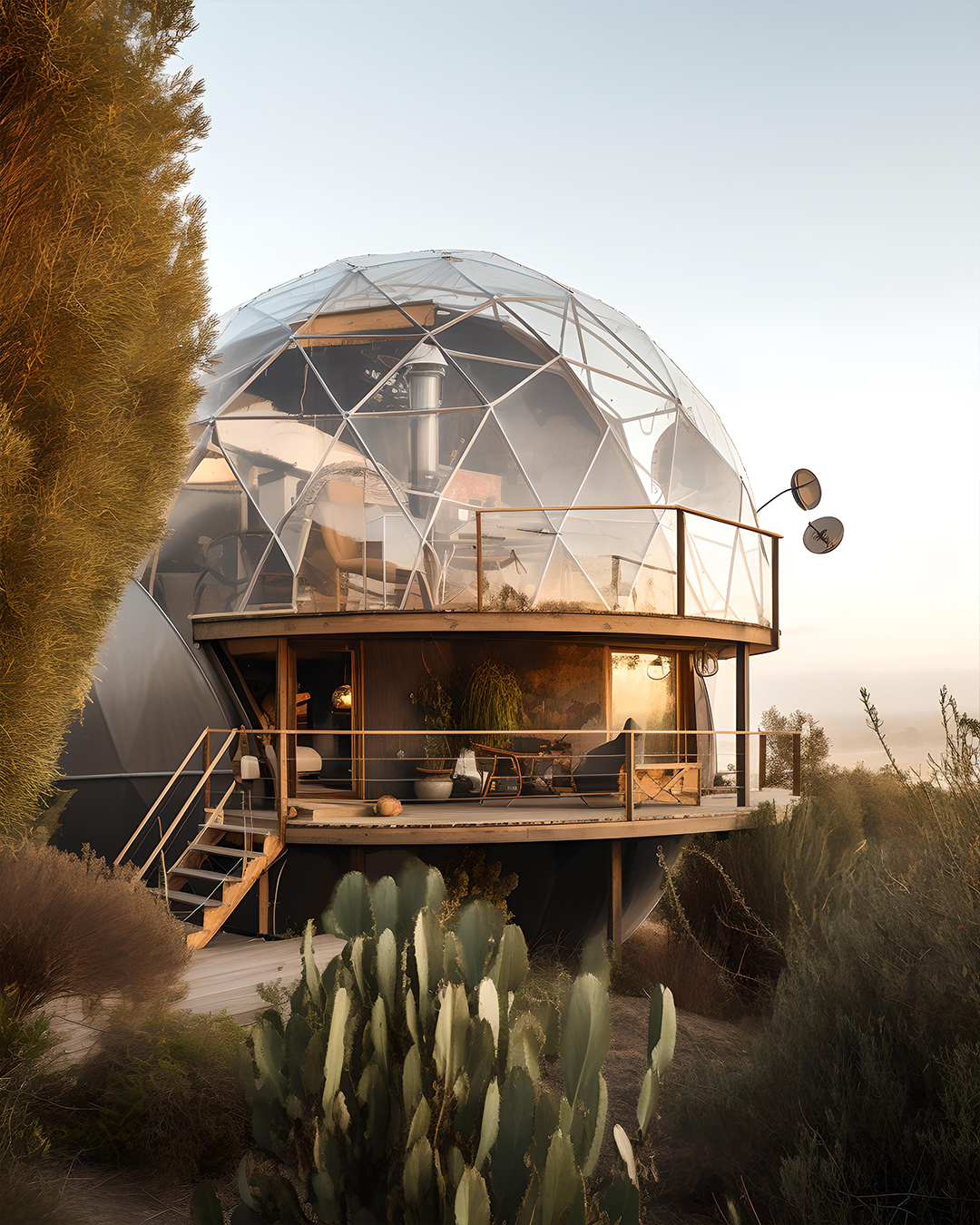
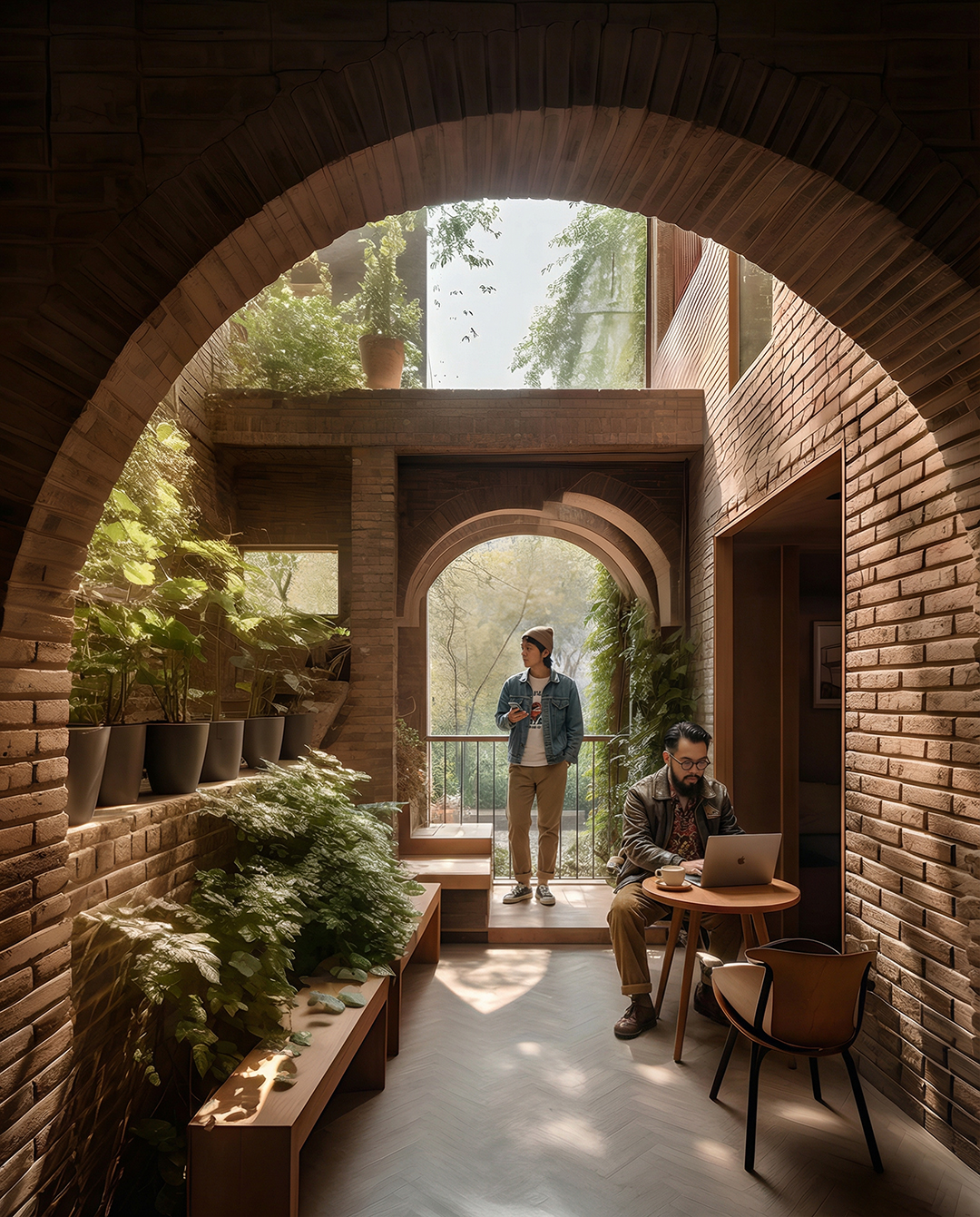

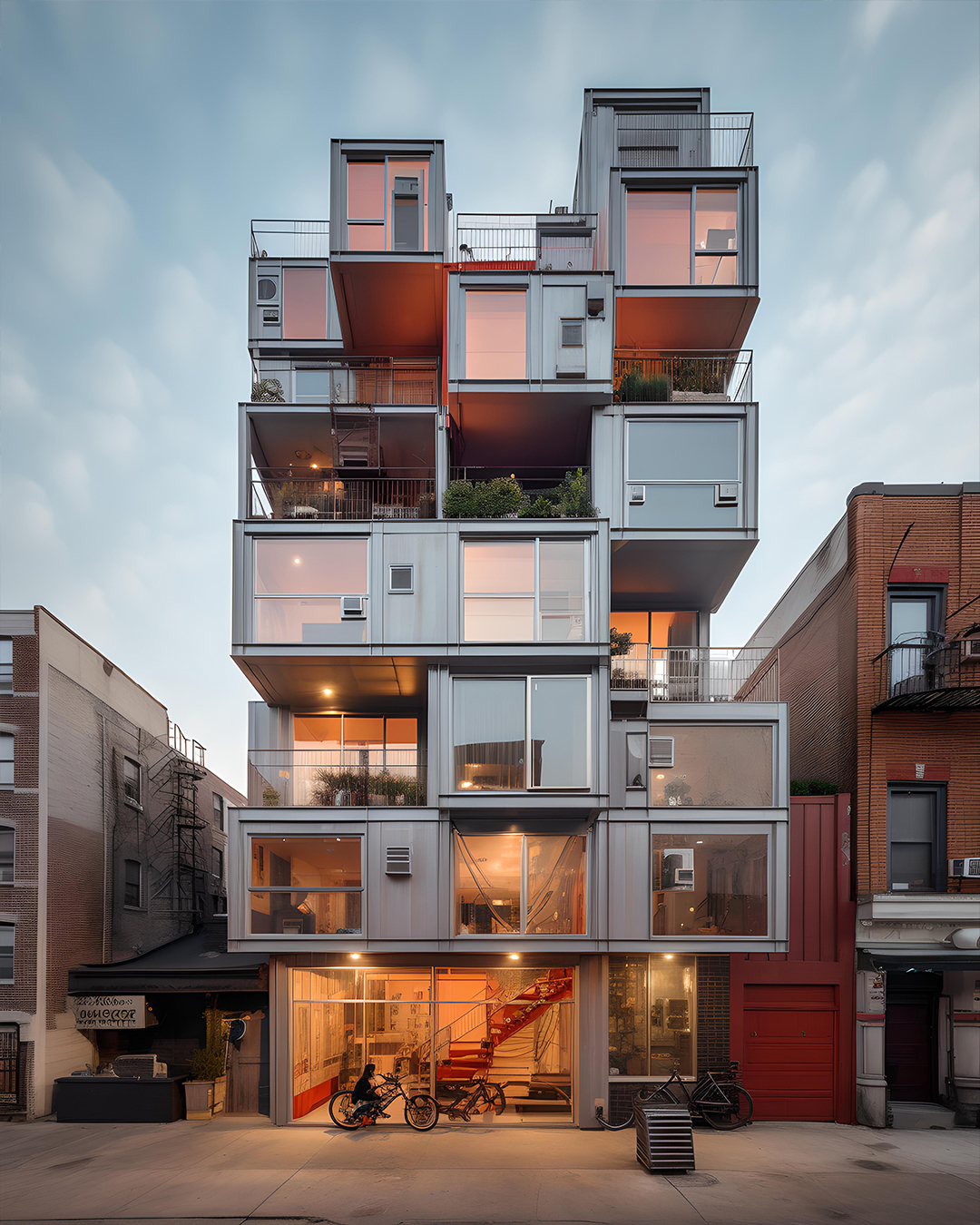
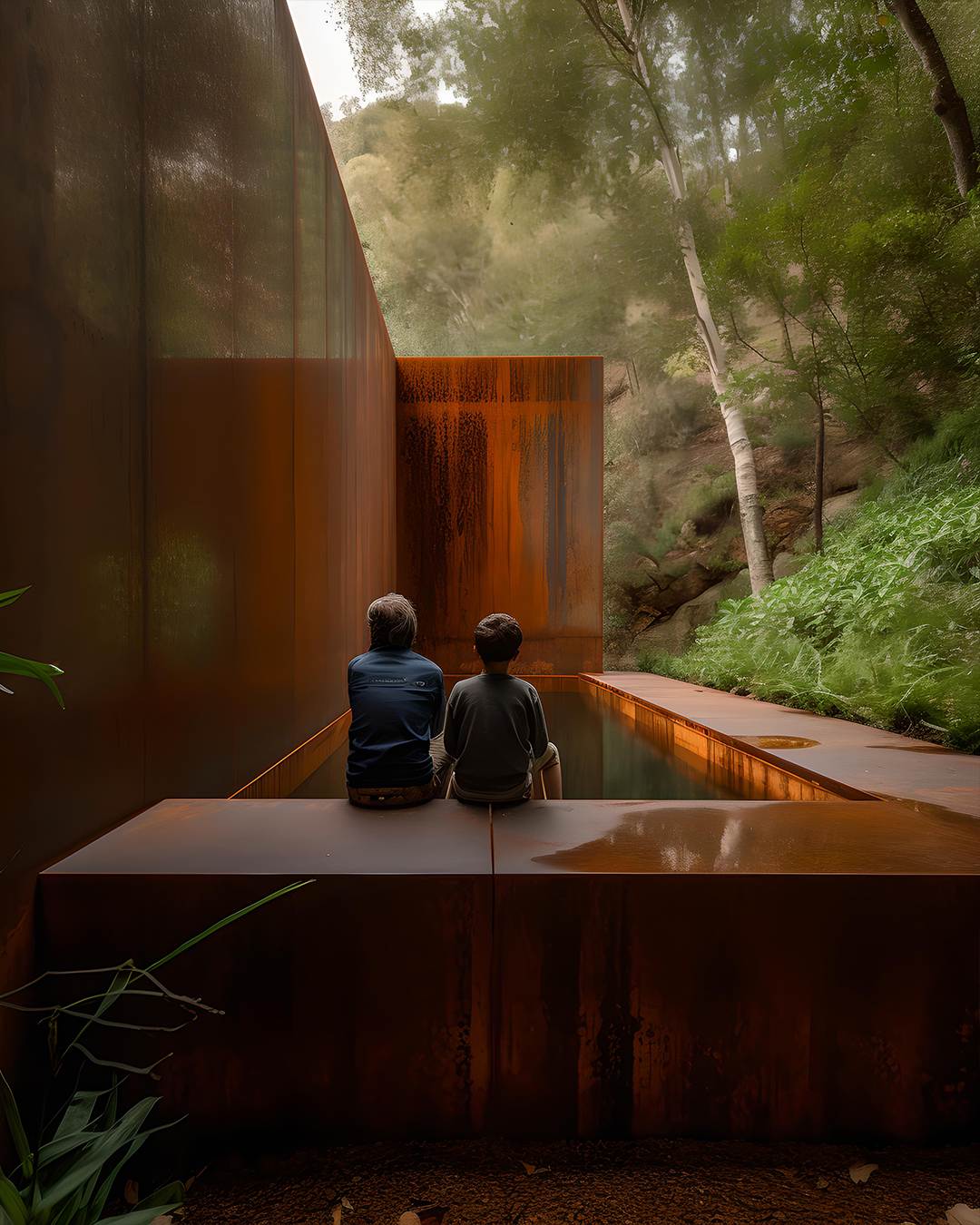
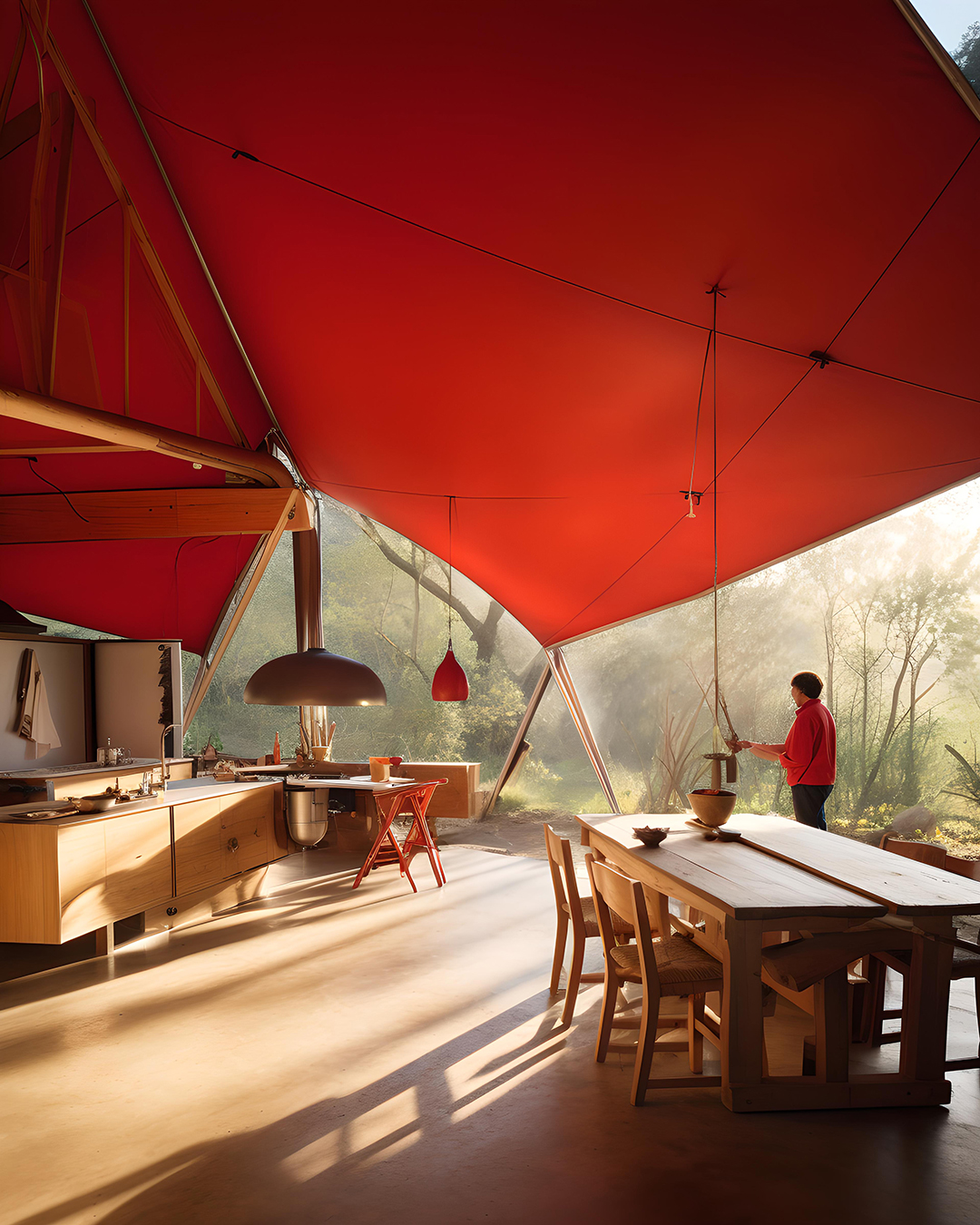
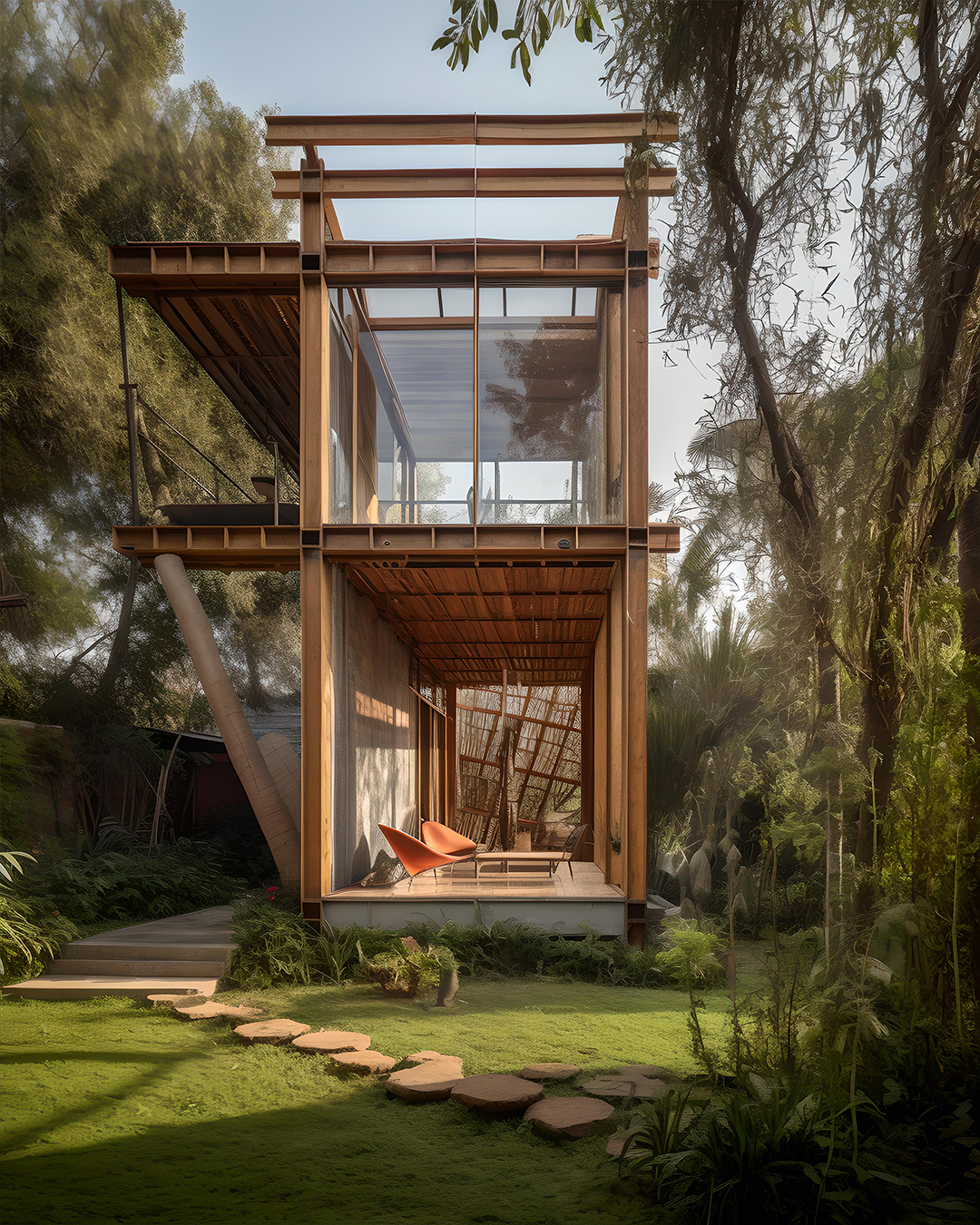
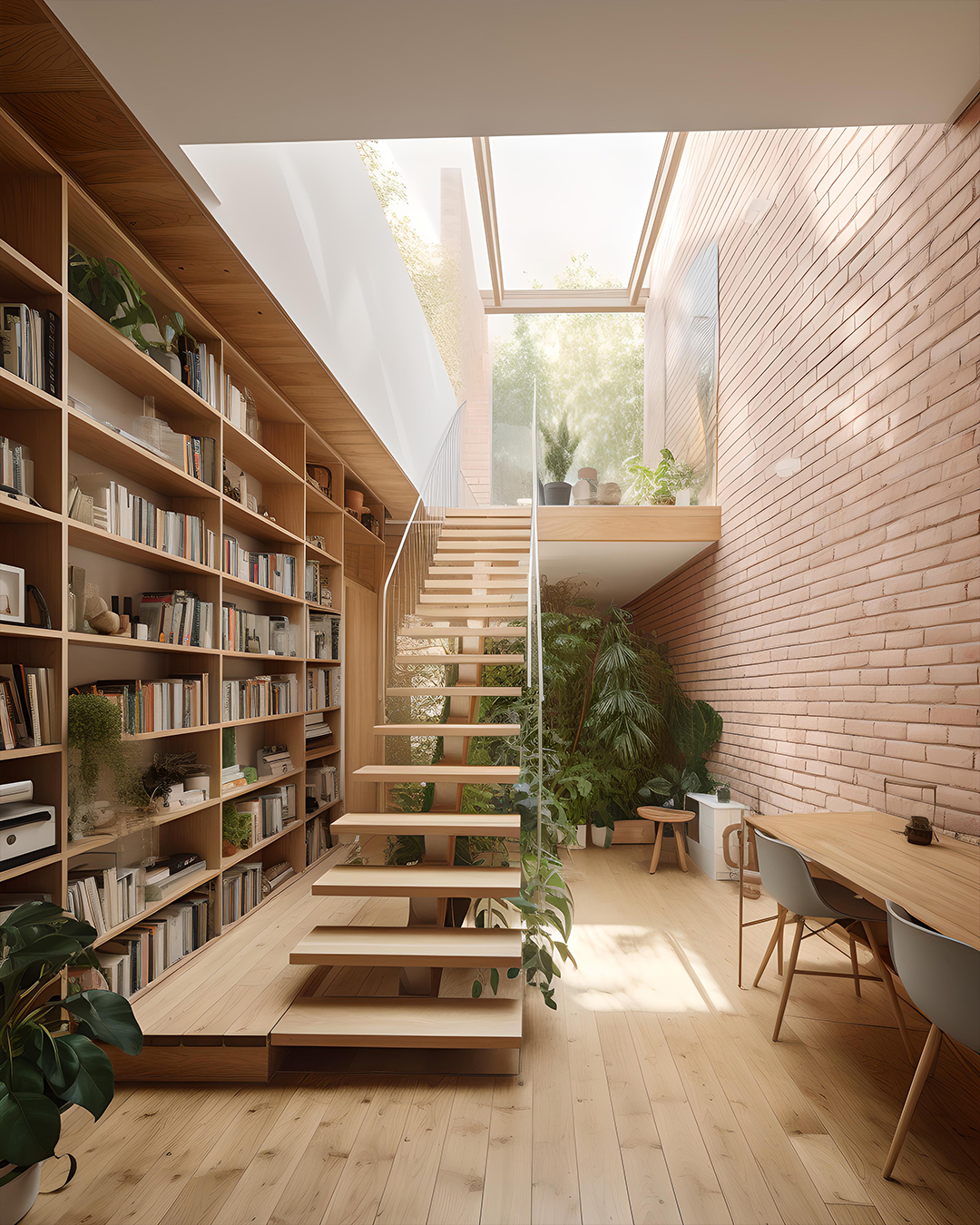



Working with AI-based image-generation tools such as Midjourney and DALL·E introduces new creative possibilities, but also new responsibilities. These tools generate images based on mathematical relationships extracted from vast datasets, meaning that every output is shaped by the data it was trained on. To achieve meaningful results, it becomes essential to design custom datasets, craft precise prompts, manipulate parameters, and intervene through post-production by editing or adding elements.
The resulting images revealed striking similarities. Across different outputs, the same architectural language repeated itself: orthogonal volumes, two-story layouts, large glass openings, communal areas on the ground floor, and private spaces above. Materials and contexts varied only slightly.
This visual homogenization stems from the dominant architectural styles present in the software’s training data. Because AI operates through pattern recognition and classification, it reproduces what it “understands” as the norm - in this case, the prevalent typologies and aesthetics most frequently published on global architecture platforms.
As a result, other possibilities for the contemporary home - vernacular architectures, ancestral construction techniques, alternative spatial organizations, or locally rooted materials - are largely excluded
The images that emerged reveal architecture as a plural practice: multiple solutions for the same fundamental need - dwelling. Across the dataset, we can observe variations in material use, construction techniques, relationships between interior and exterior, approaches to comfort, and interpretations of human scale.
Vernacular traditions reappear through a contemporary lens. Biophilic design elements are present in nearly all projects. At the same time, certain inefficiencies or ambiguous spatial solutions emerge - forms that an architect might never intentionally design, but which expose the speculative nature of AI-generated imagery.
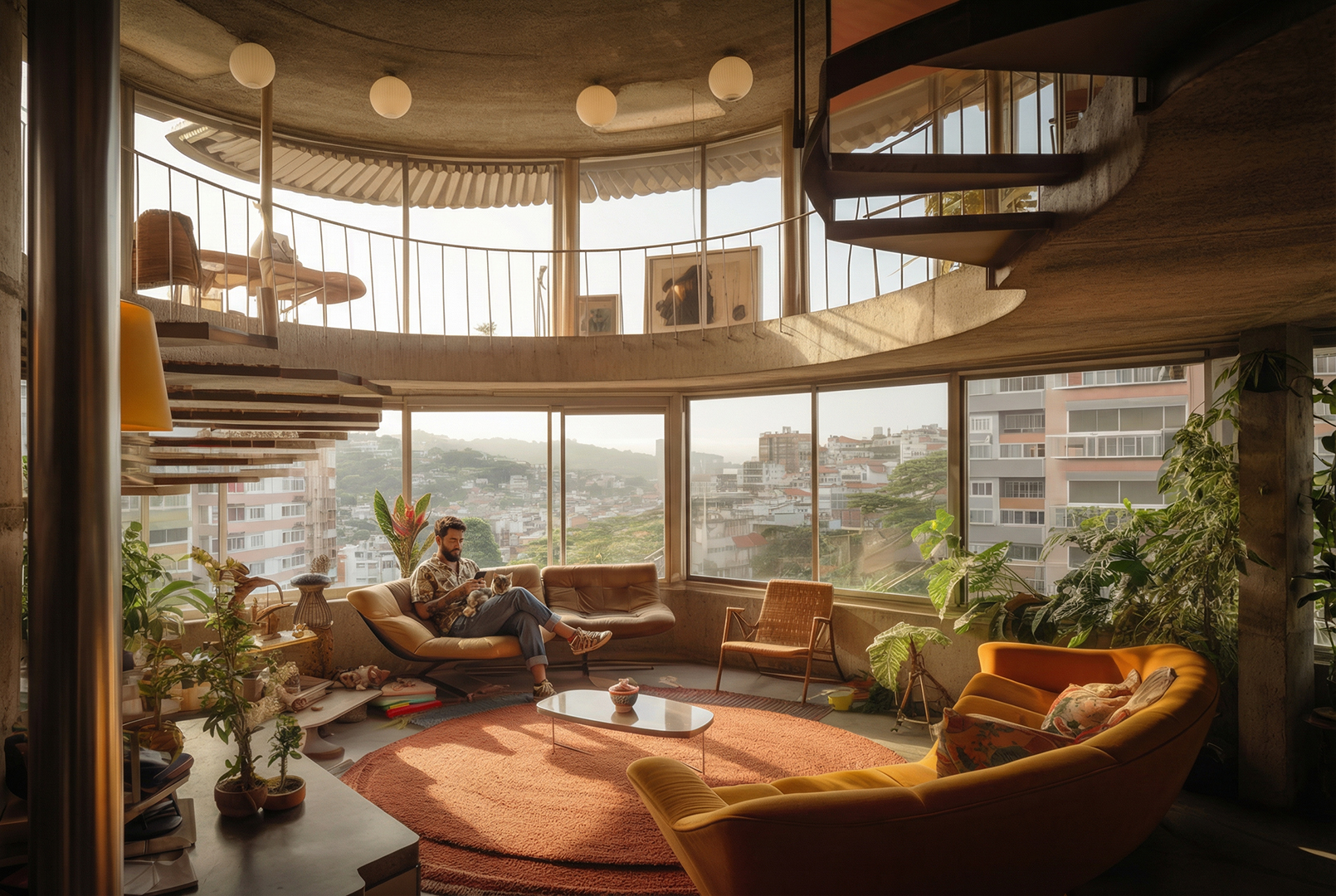
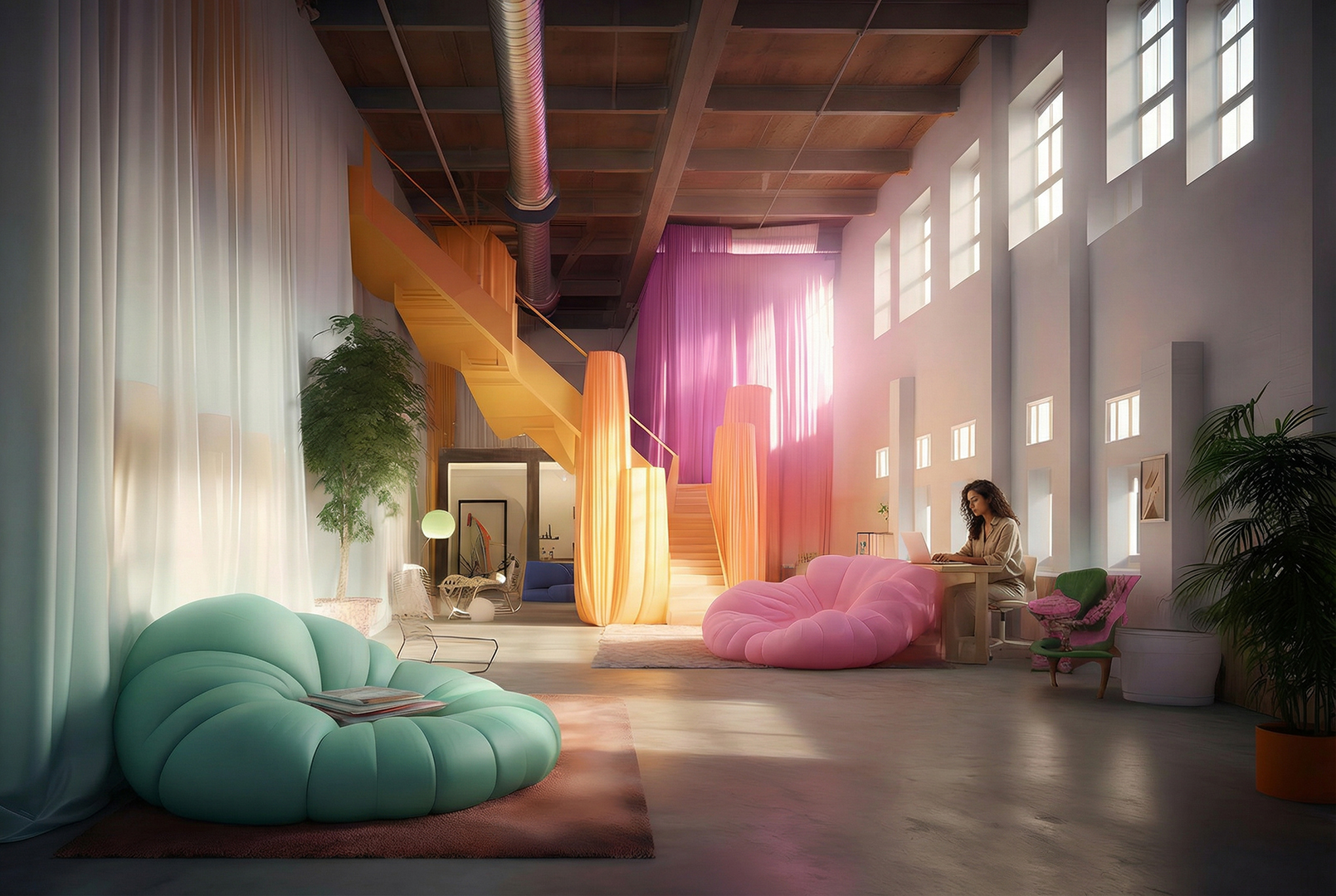
Through machine learning, artificial intelligence tends to reinforce a hegemonic architectural language, perpetuating what is already visible and widely disseminated. This automated repetition does not merely reflect architecture as it is; it actively shapes how we imagine and design it.
In an era where images no longer necessarily correspond to reality - and can even distort it - relying solely on artificial intelligence is insufficient. AI-generated visuals must be read critically, understood as interpretations rather than truths.
This project does not aim to present definitive answers, but rather to open a conversation. Artificial intelligence can be a powerful tool for imagining, visualizing, and testing ideas about the near future of housing. Yet it is the human eye, judgment, and cultural awareness that ultimately determine the value and relevance of what is being represented.
Our contribution lies in exploring this tension: between automation and authorship, between repetition and diversity, between data and lived experience. The future of architecture, much like the contemporary home itself, will be shaped not only by technology - but by how consciously we choose to use it.